
Sonic Endurance
Train Smart. Race Bold.
Belong to Something Bigger
|
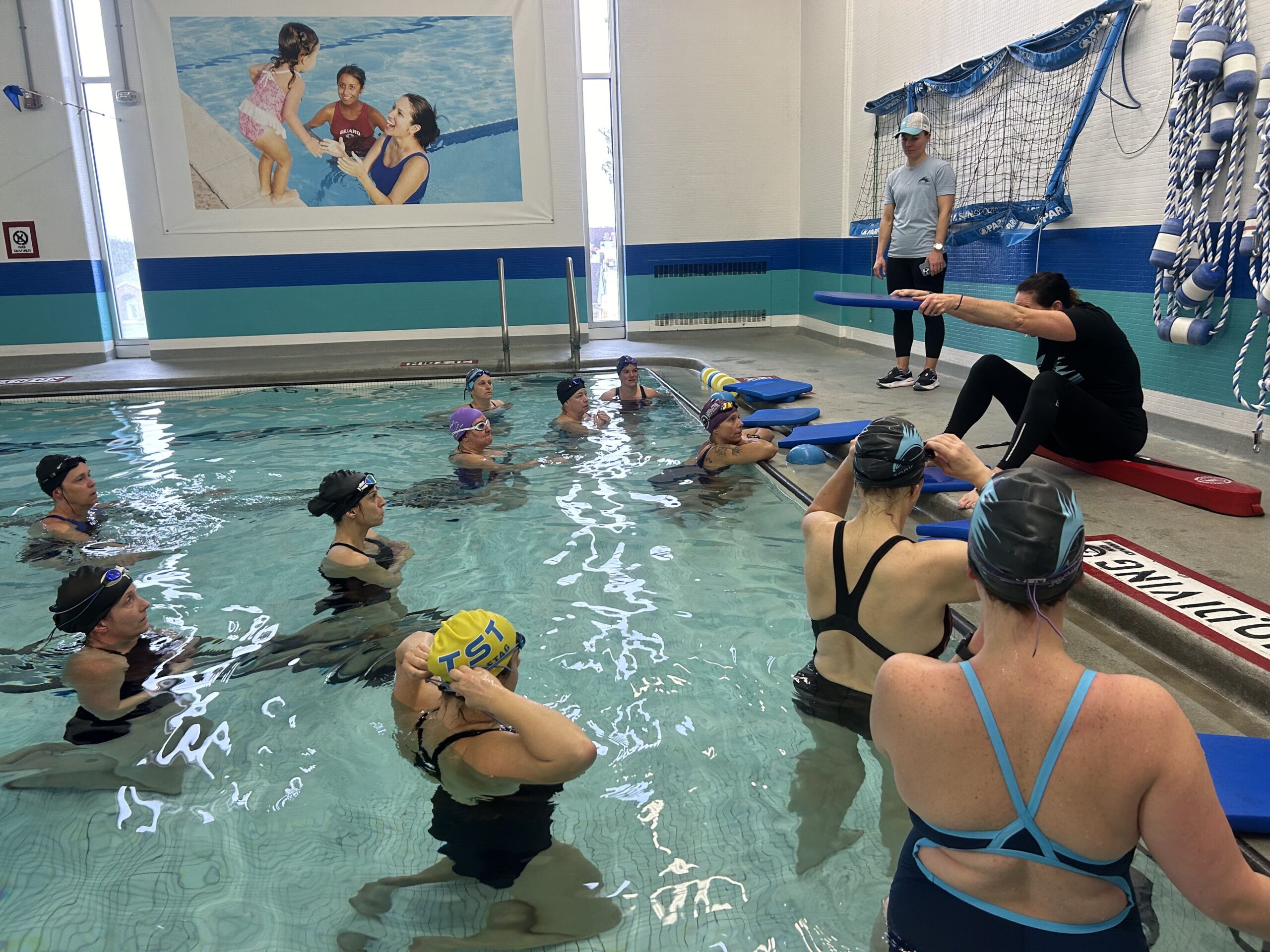
Sonic Endurance is dedicated to helping athletes of all abilities achieve their endurance goals. We understand that no two athletes are alike and the response to training is an individual process. We regularly incorporate field-based testing and functional movement testing in order to assess an athlete’s progress towards their goals. It is our mission to develop a plan that uses your training time efficiently while preparing you to accomplish or exceed your goals.
Sonic Endurance
Personalized Training
Unlock Your Potential
|
It all begins with culture—and Sonic’s culture stands above the rest. Coaches and athletes unite as a team, supporting one another through training, overcoming challenges, and pursuing personal goals. At the heart of Sonic’s success are acceptance, mutual respect, and a deep appreciation for each athlete’s individuality. The coaches are not only highly knowledgeable but also genuinely invested in helping you achieve your goals.
Through strategic partnerships with athletic trainers, physical and occupational therapists, training camps and trusted vendors, Sonic ensures every aspect of your training experience is optimized for your success.
At Sonic, every finish line marks a victory over your personal limits.
I signed up with a Sonic coach to improve personally as a triathlete, and almost immediately I started training smarter. I was working harder in many sessions, but I was also less tired overall at the end of the week. I was meeting my primary goal of sustainable fitness for years to come, and as a nice bonus my race times improved dramatically!
But more importantly what I have gained from Sonic, which I didn't know I needed, is a culture of community and support. This is a team focused on affirming each others' wins no matter what they look like, providing support through successes and challenges, and generally bringing a positive attitude to endurance sports. I came for myself, but I'm now proud to be a part of this team team!
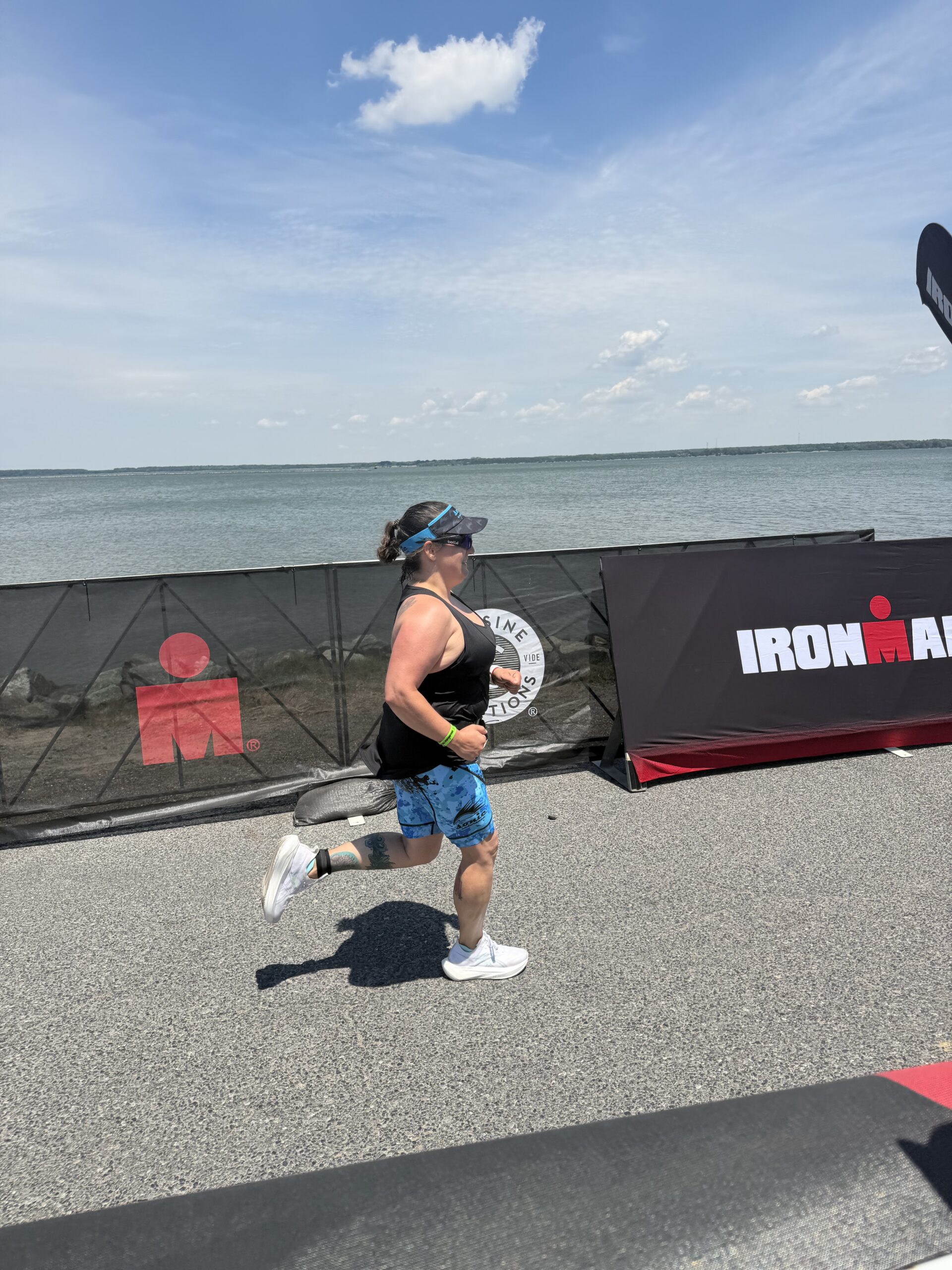
My Journey all start in the summer of 2021 when I found myself unhappy with my current fitness level. I had not seen a gym in roughly 10 years, or even attempted any type of cardio workout. I set my goals a bit high without really knowing what I was getting myself into. I registered for my first full Ironman in Lake Placid! In this process I found Sonic Endurance and started working with Maribeth. One of my first times meeting Maribeth, was also my first time EVER swimming in a lap pool, and it showed! Maribeth evaluated my skill level, and spent countless hours teaching me how to swim, while improving my technique and endurance. Swimming was my absolute biggest challenge of the three disciplines. Maribeth was always available for encouragement, support and a good laugh throughout my journey. Working with Maribeth not only kept me accountable, but without her, my goals would not have been met. From Swimming, biking, running to fueling properly for races, Maribeth was there every step of the way. I have continued to work with her as my Endurance coach now for 4 years and have never felt more accomplished in my endurance goals! Working with Maribeth and Sonic has given me some of the best years of my life, the value of working with Maribeth one on one is priceless. Forever grateful!
Joining the Sonic Endurance team and being a 1 on 1 coached athlete has been a life changing experience. I achieved goals I never even dreamed of, including my first full Ironman finish. Coach Stacey gave me the confidence to sign up for Ironman Lake Placid and with her guidance, I never once thought I would not finish. On top of that, the Sonic team has literally become some of my closest friends and chosen family.
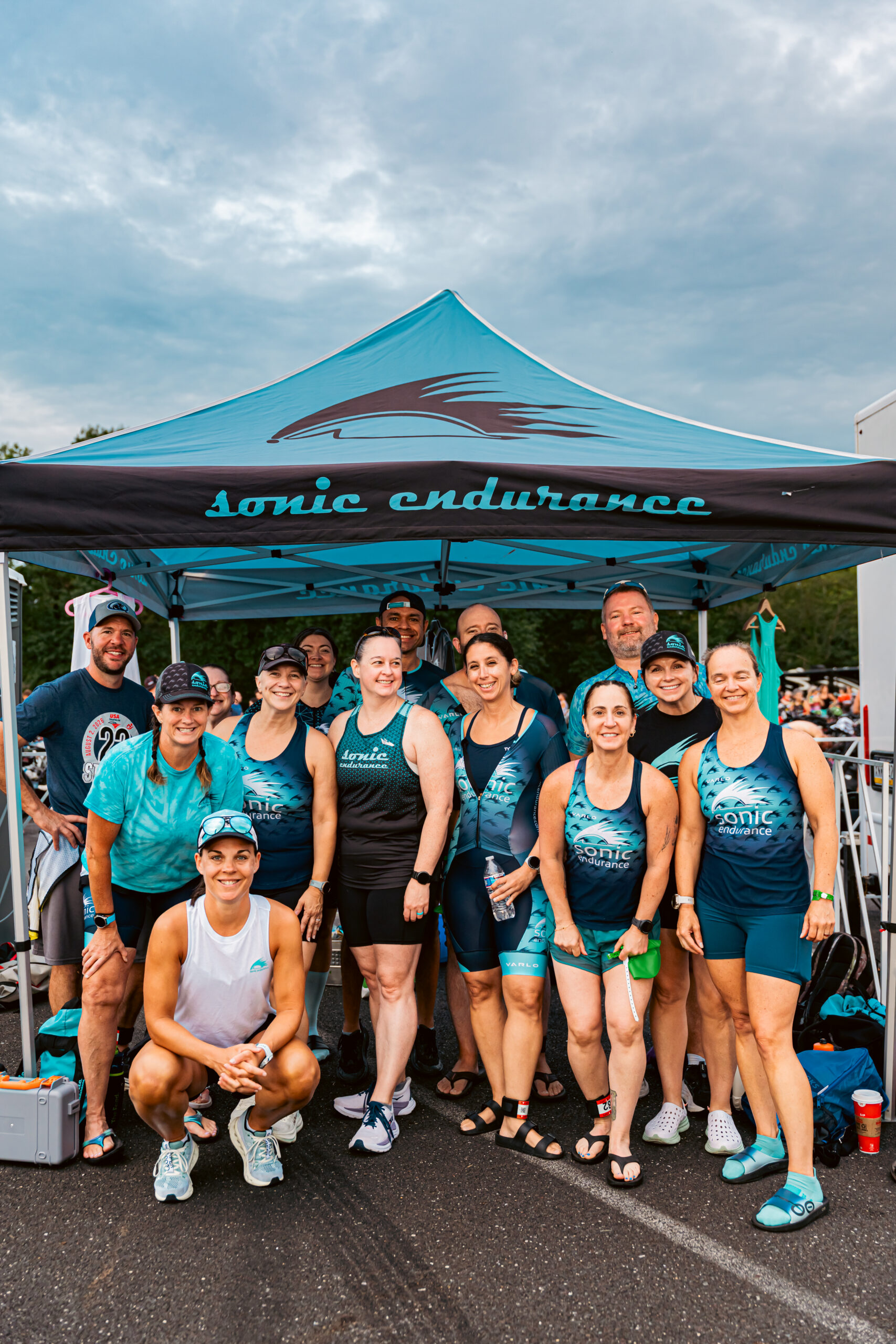
Sonic Endurance is more than a coaching company.
Sonic Endurance is a collection of like-minded individuals
We’re Endurance Coaches – and we are athletes. We like to get our hands dirty. We train, we race, we fail, and we succeed. We understand what you experience throughout your seasons of training and racing because we are right there beside you, on the same journey.
Through years of training, racing, and coaching, we’ve learned our athletes benefit most from a team approach. We each bring something different to the table and want you to benefit from each perspective. You’ll have your 1-on-1 coach, combined with the knowledge, experience, and expertise of all our coaches. Together, we bring our passion for triathlon to coaching in support of your goals and behind the process of uncovering your potential.
Sonic Endurance
Our Mission & Visions
Our Articles
Do I Need a Triathlon Coach? An Honest Answer from Coaches Who Are Also Athletes
We get it, the balance is real in sport. The reality is self-coached triathletes finish triathlons and endurance events all the time. But there’s a reason coached athletes improve faster, race smarter, and stick with the sport longer
Spring Servicing – When to Replace Triathlon Equipment
Triathlon is a sport built on details. Training plans, nutrition, recovery, and race strategy all matter—but so does your gear. Wetsuits stretch, shoes break down, and even the most trusted bike components wear out over time. Knowing when to replace your triathlon gear isn’t about chasing the latest technology; it’s about safety, comfort, and performance. Replacing equipment at the right time can prevent injury, avoid race‑day surprises, and ensure that your hard-earned fitness actually shows up on the course. Here’s a practical guide on how to recognize when it’s time to move on from well-loved gear. The Big Picture: Performance, Safety, and Feel Before diving into specific items, ask yourself three simple questions: Does this equipment still perform as intended? Is it still safe and structurally sound? Does it feel good to use? If the answer to any of those is “no,” it’s probably time to consider a replacement—even if the gear hasn’t hit a typical lifespan benchmark. This is especially true with sneakers and especially carbon plated shoes, since they cannot have as many miles on them. While there is an expense to updating your equipment, the reality is that it can save you in the long run. Wetsuit: Performance Meets Comfort A well-fitting wetsuit can save minutes in the water—but only if it’s in good condition. Typical lifespan: 3–7 years (depending on use and care) Replace when: Neoprene loses flexibility Persistent chafing or poor fit Tears that affect structure or buoyancy Noticeable water flushing inside the suit Even small degradation can impact body position and efficiency. Goggles: Cheap but Critical Goggles are often overlooked because they’re inexpensive—but bad goggles can ruin a race. Replace when: Lenses are scratched or fog constantly Straps lose elasticity Leaks become consistent If you’re adjusting goggles mid-swim, you’ve already lost focus and time. Tri Kit: Function Over Fashion Tri kits are designed for performance across all three disciplines. Typical lifespan: 1–3 seasons depending on usage Replace when: Chamois loses support Fabric becomes thin or see-through Seams start to chafe Fit changes A worn-out kit can turn a solid race into a long, uncomfortable grind. Bike Components: Marginal Gains (or Losses) Add Up You don’t need a new bike every few years—but your components absolutely need attention. Chain Lifespan: ~2,000–3,000 miles A worn chain stretches and can damage your cassette and chainrings. Replace when: Chain checker tool shows wear Shifting becomes less crisp Cassette & Chainrings Lifespan: 2–3 chains (if maintained well) Replace when: Skipping under load Teeth look worn or “shark-toothed” Tires Lifespan: 1,000–3,000 miles depending on conditions Replace when: Visible wear or flat spots Frequent flats Cracking in rubber Brake Pads (rim or disc) Replace when: Worn down indicators reached Braking performance is reduced Neglecting these small components doesn’t just affect speed—it can lead to mechanical failures mid-race. Helmet: It’s Not Just About Crashes Helmets don’t last forever—even if you’ve never crashed. Lifespan: 3–5 years Foam materials degrade over time due to sweat, UV exposure, and temperature changes. Replace when: After any crash (non-negotiable) Cracks, dents, or compressed foam Straps or retention system wear out Aerodynamic gains don’t matter if safety is compromised. Bike Shoes and Cleats: Power Transfer Happens Here These wear down gradually, but can significantly affect comfort and efficiency Replace when: Shoes no longer feel secure You have trouble clipping in or out You feel new or different lower body discomfort Replacing them can restore proper fit, power transfer, and injury-free movement. Bike Fit: The Most Overlooked “Upgrade” This isn’t equipment—but it’s just as important. If your body changes (strength, flexibility, injuries), your fit should too. Reassess your bike fit when: You experience new discomfort or pain You’ve significantly changed training volume You’ve upgraded key components (saddle, shoes, crank length) An outdated fit can waste watts and increase injury risk more than any old component. Running Shoes: The Silent Performance Killer Running shoes are the most frequently replaced piece of triathlon gear—and for good reason. Lifespan: 300–500 miles Over time, midsole foam breaks down, even if the shoes still look fine. This leads to reduced shock absorption and can subtly change your biomechanics. Signs it’s time to replace: Legs feel more fatigued than usual after running New aches or pains (especially in knees, shins, or feet) Flattened or uneven midsoles Loss of “pop” or responsiveness For triathletes, worn shoes can compromise not just your run, but your overall recovery between sessions. Rotate 2–3 pairs to extend lifespan and reduce injury risk, if you are running in a performance shoe – make sure that you are doing some of the training runs in it as well. Technology: Watches, Power Meters, and Sensors Tech evolves quickly—but that doesn’t mean you need every upgrade. Replace when: Data becomes unreliable or inconsistent Battery life significantly degrades Features no longer meet your training needs If your watch dies mid-session or your power meter gives questionable data, your training quality suffers. Accessories: Hydration systems, bottles, and nutrition containers Race‑day fueling depends on equipment you can trust not to give you GI issues. Replace when: They are difficult to clean or have visible mold Retain odors Leak or have cracks The Bottom Line: Replace with Purpose, Not Panic Replacing triathlon gear doesn’t mean constantly upgrading—it means being honest about wear and performance. If gear no longer fits properly, functions reliably, or supports your training goals, it’s costing you more than it’s saving. A good habit is to evaluate your equipment at the start of each season (or more often as necessary). Check fit, condition, and comfort, and prioritize replacements that affect safety and injury prevention first. You can also track milage on running shoes and bike components using apps like Strava or Training Peaks. Well‑timed gear updates keep your focus where it belongs: on training smart and racing strong.
Why Heat Changes Everything
As temperatures rise, so does the cost of every workout. What felt manageable in cool weather can suddenly feel like a grind, even at lower intensities. Pace drops, heart rate climbs, and motivation can take a hit. But here’s the truth: heat doesn’t make you less fit—it just changes the rules. Athletes who understand how to train and fuel in the heat don’t just survive summer training—they use it to their advantage. When the temperature ramps quickly in the Spring, athletes need to adjust, since they are not heat acclimated. When you train in hot conditions, your body has an added job: cooling itself. Blood is redirected to the skin to dissipate heat, which means less is available for working muscles. The result? Higher heart rate at the same pace Increased perceived effort Faster dehydration Greater carbohydrate use Ignoring these shifts is where most athletes go wrong. They try to force the same paces they held in cooler conditions, turning productive workouts into overly stressful ones. Adjust Your Expectations First Before changing your fueling or hydration, you need to adjust your mindset. Over time, you can adapt to the heat and conditions but in the first few days of hotter weather you need to think about the cost of the effort. Pace is no longer the priority—effort is. That means: Running by heart rate or perceived effort instead of pace Accepting slower splits without labeling the workout a failure Understanding that heat adaptation takes time (typically 10–14 days) If you don’t make this shift, everything else—fueling, hydration, recovery—becomes harder to manage. Hydration: It Starts Before the Workout Hydration isn’t something you fix mid-session. If you start dehydrated, you’re already behind. Daily hydration basics: Aim for pale yellow urine as a general marker Include electrolytes, especially if you sweat heavily, you should definitely know your sweat rate heading into a hotter race. Don’t rely on thirst alone—it lags behind actual needs Pre-training: Drink 16–24 oz (500–700 ml) of fluid 1–2 hours before training Add sodium (300–600 mg) if conditions are especially hot or humid Fueling in the Heat: Carbs Still Matter (More Than You Think) One of the biggest mistakes athletes make is underfueling in the heat because they don’t feel as hungry. Here’s the problem: your body is actually relying more on carbohydrates in hot conditions. That means: Glycogen depletion happens faster Energy crashes come sooner Perceived effort skyrockets if fueling is inadequate Simple approach: For sessions under 60 minutes: water + electrolytes may be enough, if you have more than one workout per day then you need to fuel them both. For 60–90 minutes: 30–60g carbs per hour For 90+ minutes: 60–90g carbs per hour There are so many different products for fueling – you need to figure out what works for you. Use your training sessions to practice fueling, especially if it is hot out. Electrolytes: The Missing Piece Water alone isn’t enough—especially for salty sweaters. Sodium helps: Maintain fluid balance Prevent cramping Support nerve and muscle function If you finish workouts with salt stains on your clothes or experience frequent cramping, you likely need more sodium and potentially more potassium. Signs you’re under-replacing electrolytes: Headaches during or after training Dizziness or lightheadedness Muscle cramps Declining performance despite adequate effort Cooling Strategies That Actually Work Managing heat isn’t just about what you drink—it’s also about how you manage body temperature. Before training: Start early or go later in the evening Stay in shaded areas when possible Pre-cool with cold fluids or even ice slurries During training: Pour water over your head or body Wear light-colored, breathable clothing Use aid stations strategically in longer sessions After training: Rehydrate with fluids + sodium Don’t skip post-workout fueling (carbs + protein) Use cold showers or ice packs if needed Heat Acclimation: Your Hidden Advantage The body adapts to heat surprisingly well—if you give it time. After consistent exposure, you’ll notice: Lower heart rate at the same effort Improved sweat response (earlier and more efficient) Better overall tolerance How to acclimate: Start with shorter sessions in the heat, if you are indoors layer up and dont run a fan. Gradually increase duration and intensity Stay consistent (sporadic exposure won’t drive adaptation) Most athletes start to feel improvements within 7–10 days, with full adaptation closer to two weeks. Final Thought: Respect the Stress, Reap the Reward Heat adds stress—but not all stress is bad. Managed correctly, it can improve your efficiency, mental resilience, and race-day readiness. The athletes who perform best in hot conditions aren’t the toughest—they’re the most prepared. So instead of fighting the heat, learn to work with it.